
Department-scoped work
Define which knowledge and intelligence functions a sales SAM may use without granting access to employee records.
Define who can use intelligence, who can change its configuration and which tasks each role may perform.
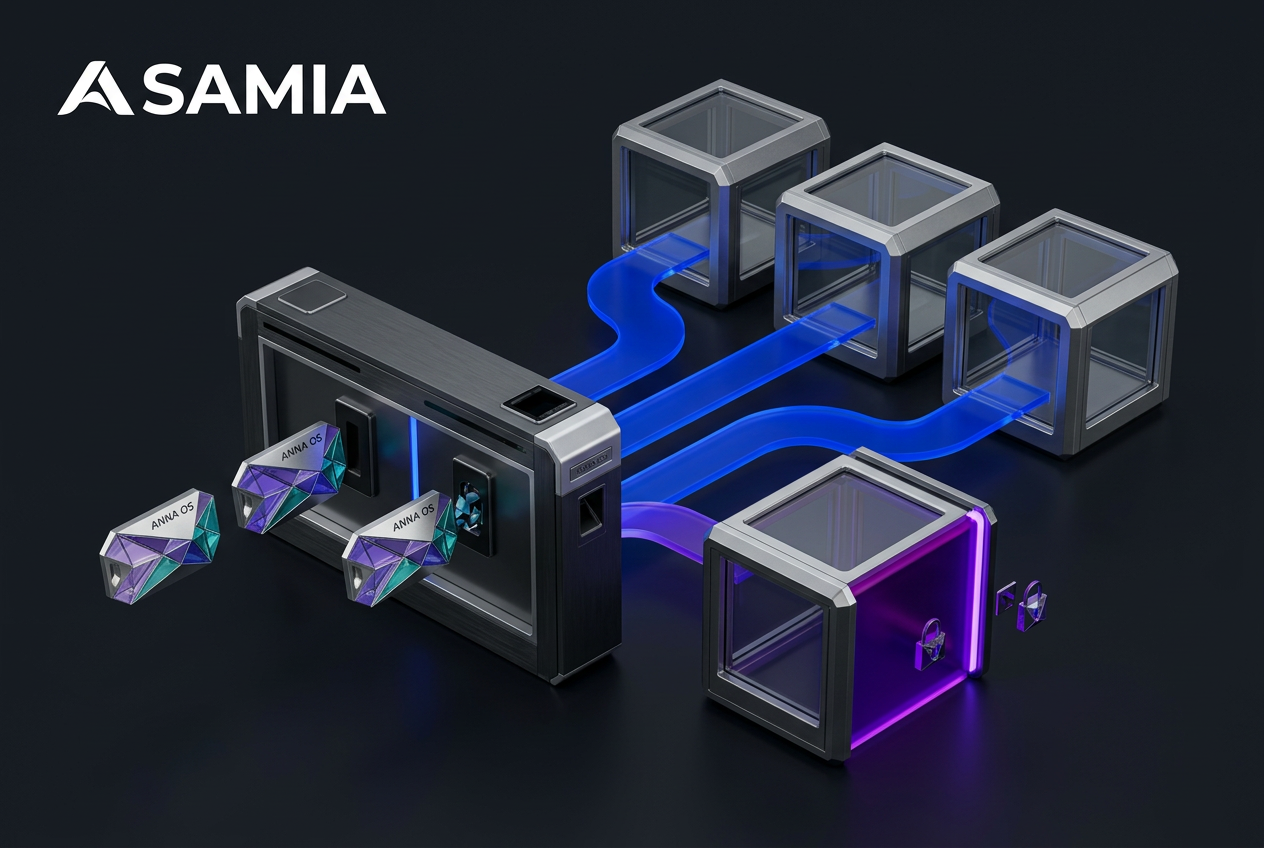
AI access controls separate everyday use from privileged configuration changes. A business role should receive only the task and information access it needs; a configuration owner should not automatically gain access to every business record. Production controls require authenticated, server-enforced permissions and traceable administrative actions.
Least-privilege planning reduces accidental exposure and makes responsibilities clearer across business and technical teams.
Define which knowledge and intelligence functions a sales SAM may use without granting access to employee records.
Reserve policy changes for authorised reviewers while allowing operational staff to submit normal task requests.
Review permissions when a role changes, a team member leaves or a new sensitive workflow is proposed.
Verified identities and a least-privilege permission matrix
Server-side authorisation and role-scoped information access
Administrative audit records and revocation procedures
Approved model modality and endpoint access
The access design should distinguish task use, configuration edit, approval and audit review. Each permission needs an owner, scope and revocation path; consequential checks belong on the server.
Model-access controls shown in the sample workspace are simulations. They do not establish production permission enforcement or reconfigure live AI access.
 Proprietary base-model policy
 ASAMIA model catalogue review
 Reasoning model selection
 Vision model selection
 Image model selection
 Video model selection
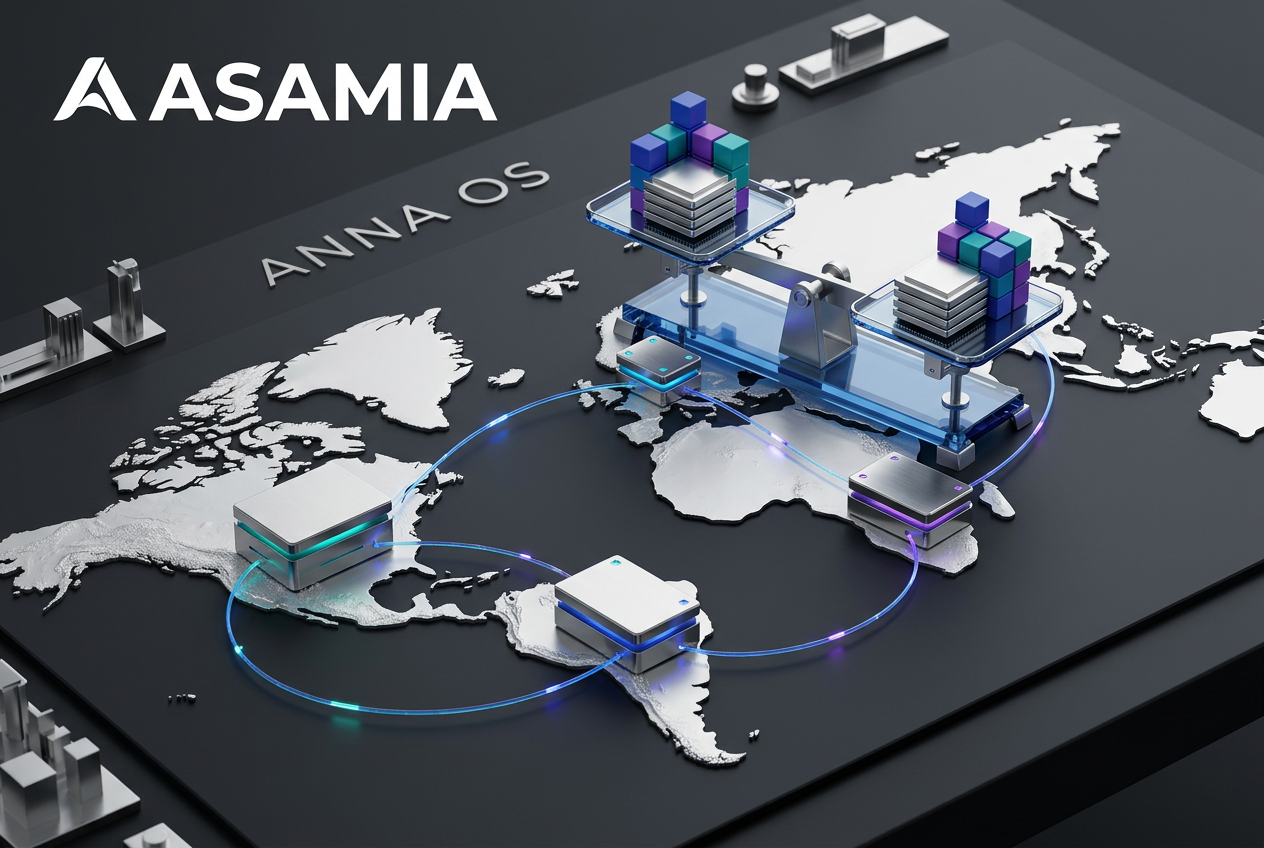 Cost and region evaluation
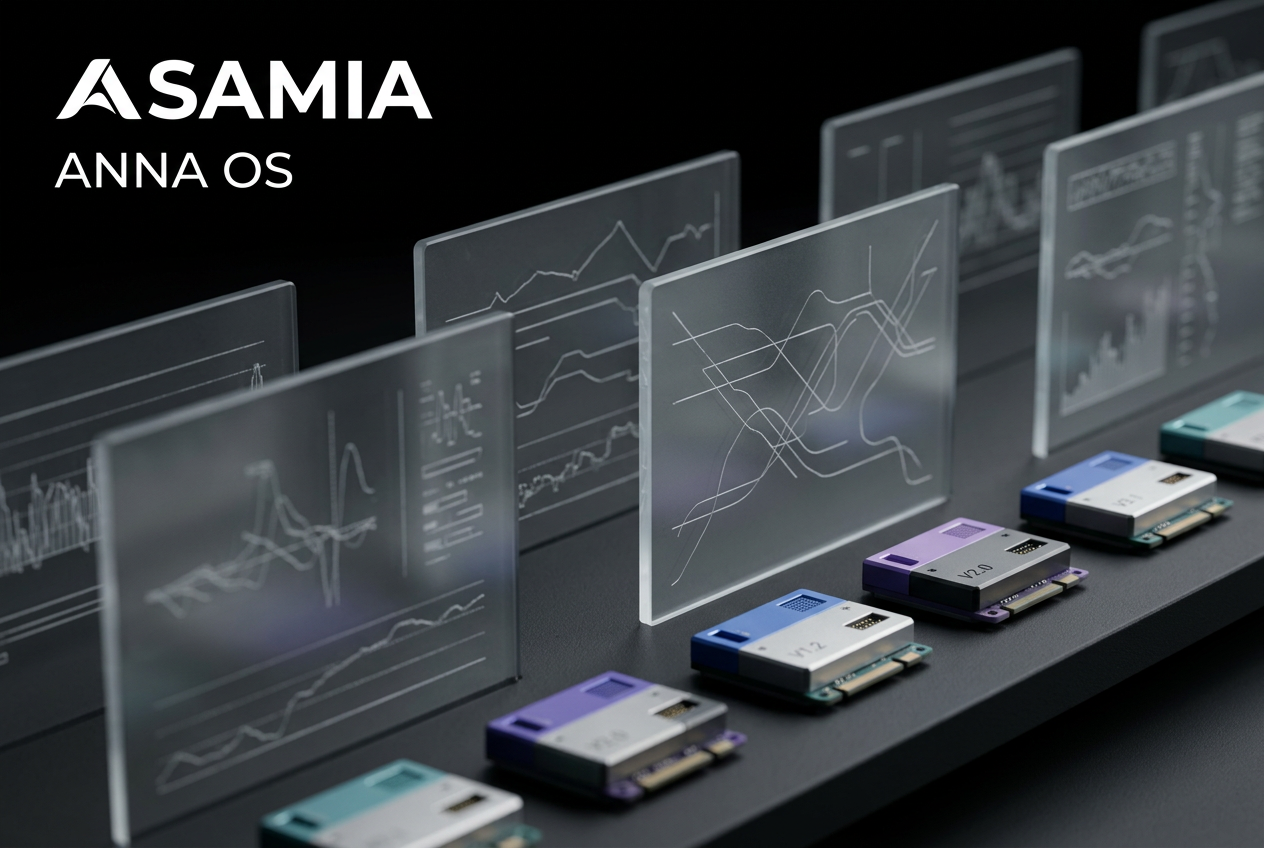 Model evaluation records
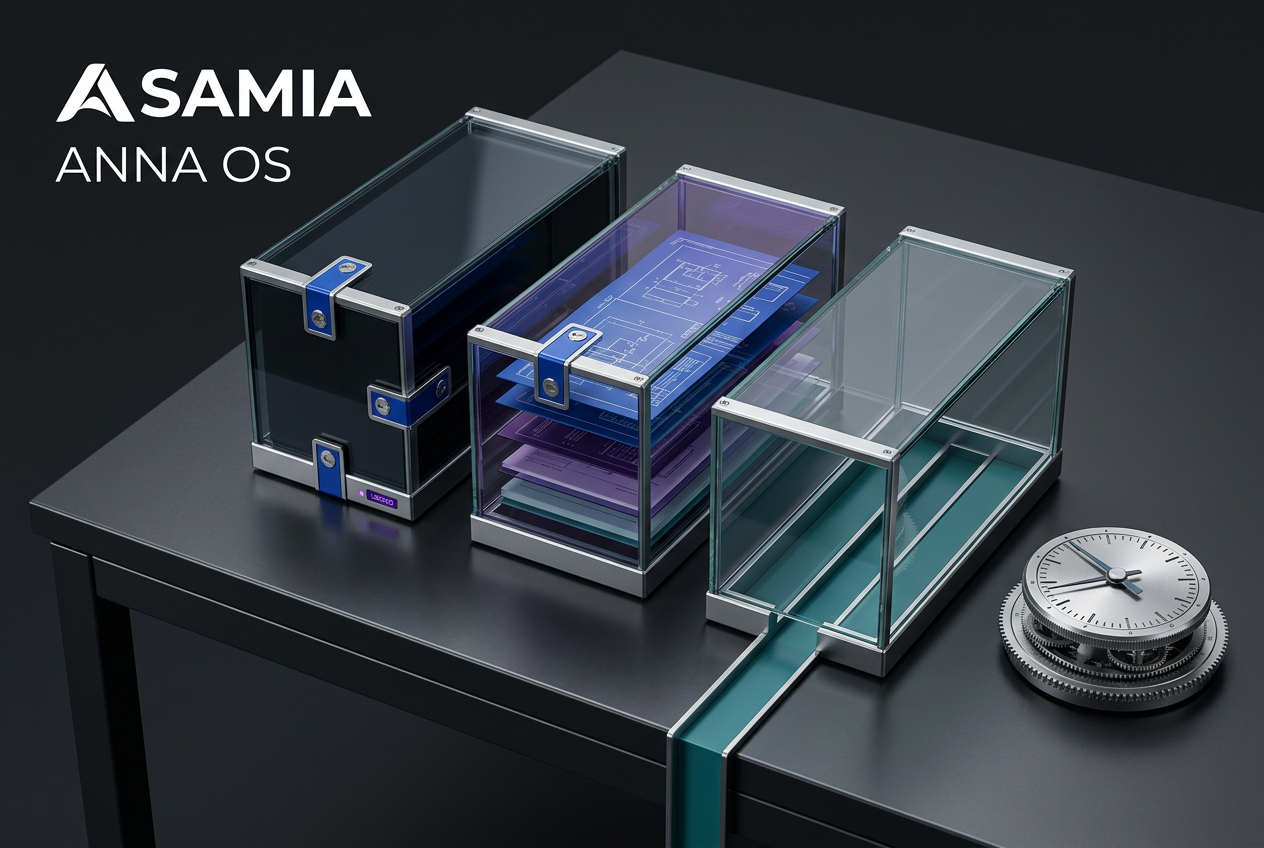 Data retention review
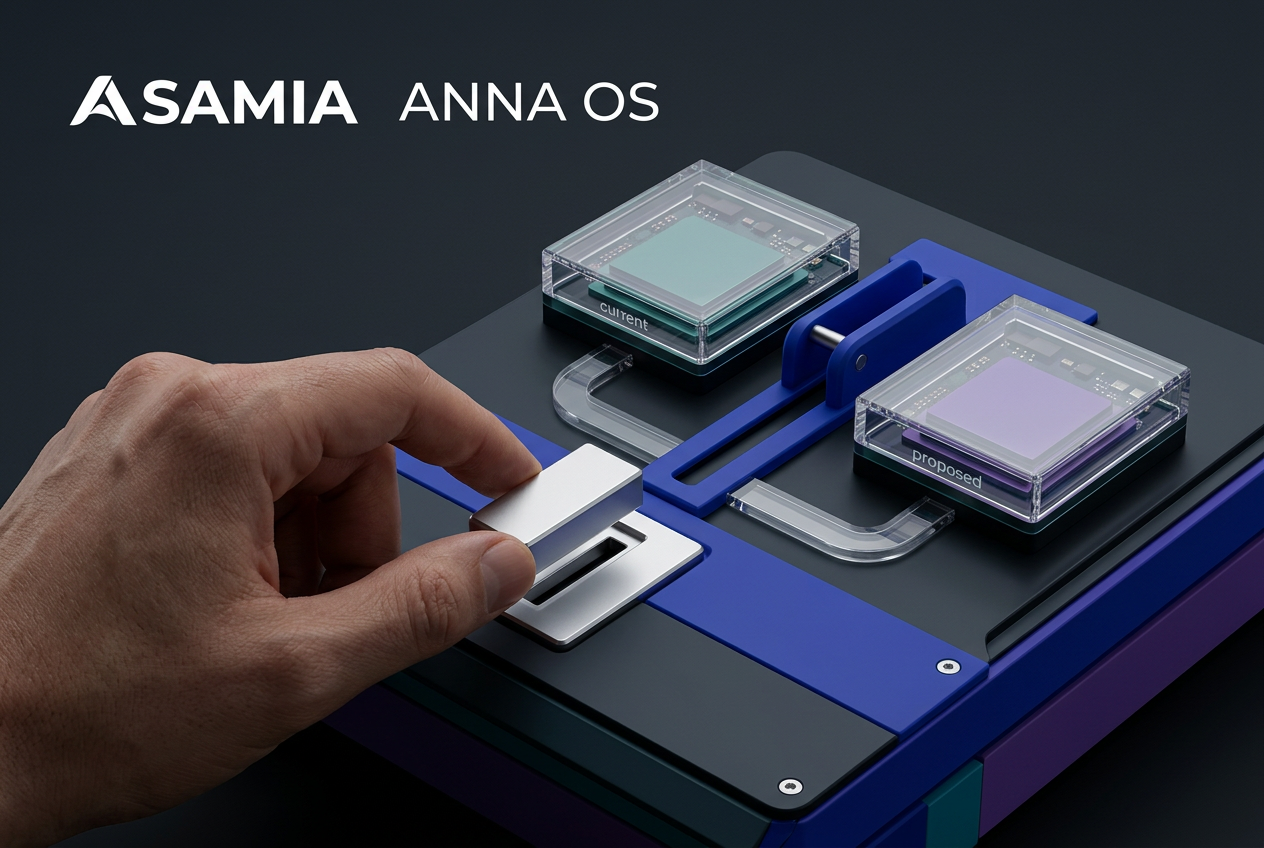 Human-approved model changes