
Customer-service baseline
Specify which intelligence configuration may draft answers from an approved knowledge base and which questions must reach a supervisor.
Give every SAM an approved intelligence foundation, with clear rules for what it may process and where human review begins.
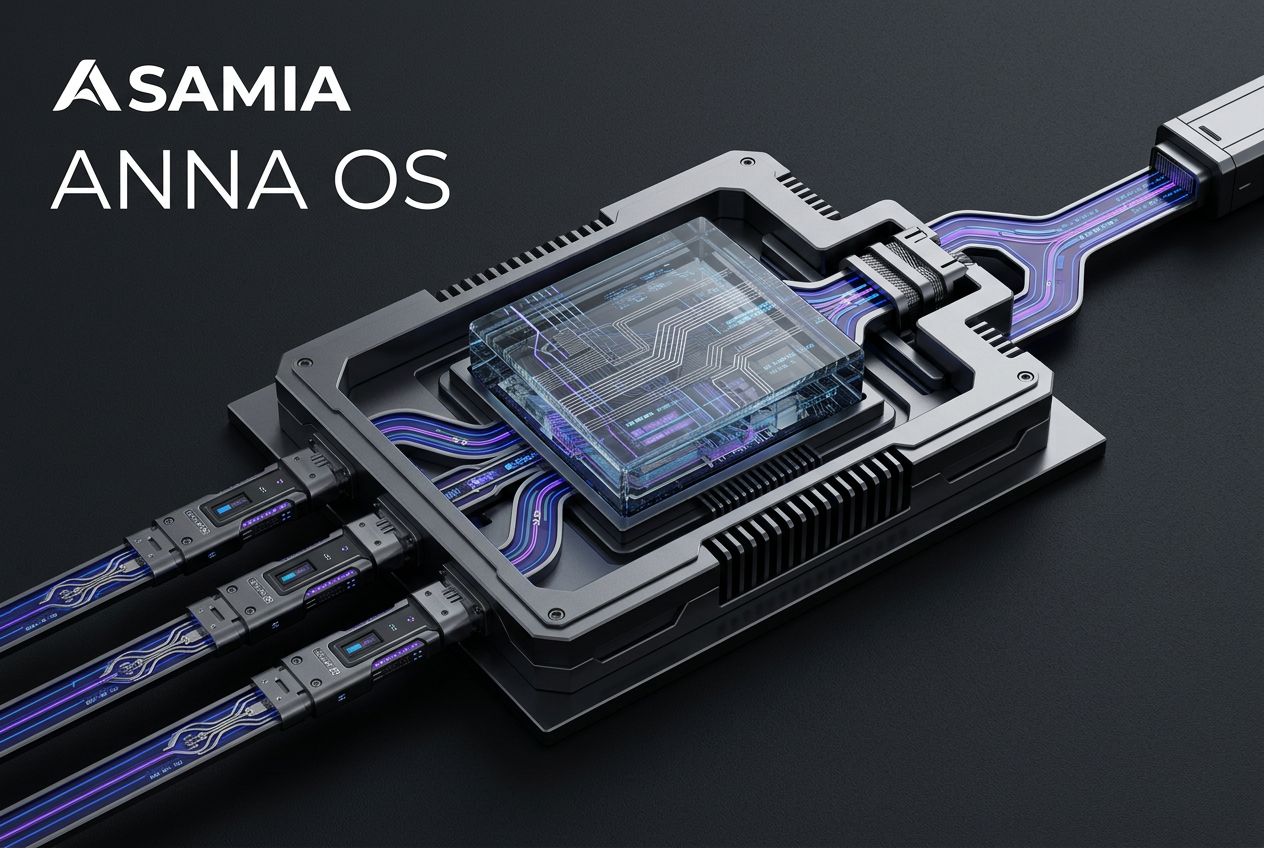
A base-model policy turns an organisation’s AI preferences into a repeatable operating standard. It identifies the approved model configuration for a role, the permitted information classes and the conditions that require escalation. ANNA OS is the ASAMIA operating identity; the policy is not a claim that ASAMIA has independently trained every underlying model.
A shared baseline reduces ad-hoc decisions and gives operations, security and business owners one configuration to review.
Specify which intelligence configuration may draft answers from an approved knowledge base and which questions must reach a supervisor.
Separate routine enquiry handling from roles that work with confidential contracts or employee information.
Apply the same approved policy to new SAM role plans instead of redefining the controls for every employee.
A named policy owner and versioned approved configuration
Permitted data classes, task scopes and prohibited uses
Acceptance cases, escalation owners and review dates
Approved model modality and endpoint access
The deployment policy should record its identifier, configuration version, permitted roles, input restrictions, evaluation evidence and sign-off. Exceptions need a named owner and an expiry or review date.
This is a documented policy capability. The demo does not provision model access, connect accounts or change the live BuildLab service.
 ASAMIA model catalogue review
 Reasoning model selection
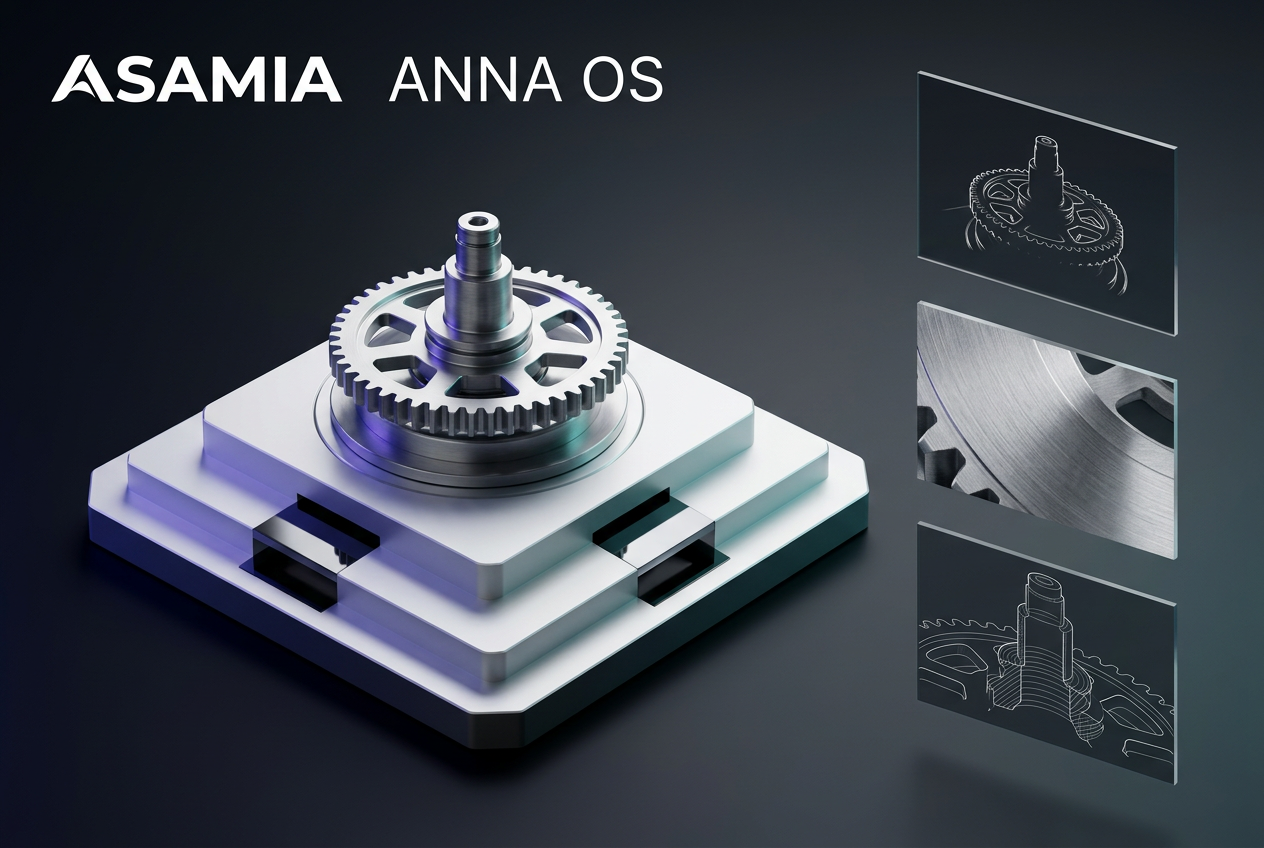 Vision model selection
 Image model selection
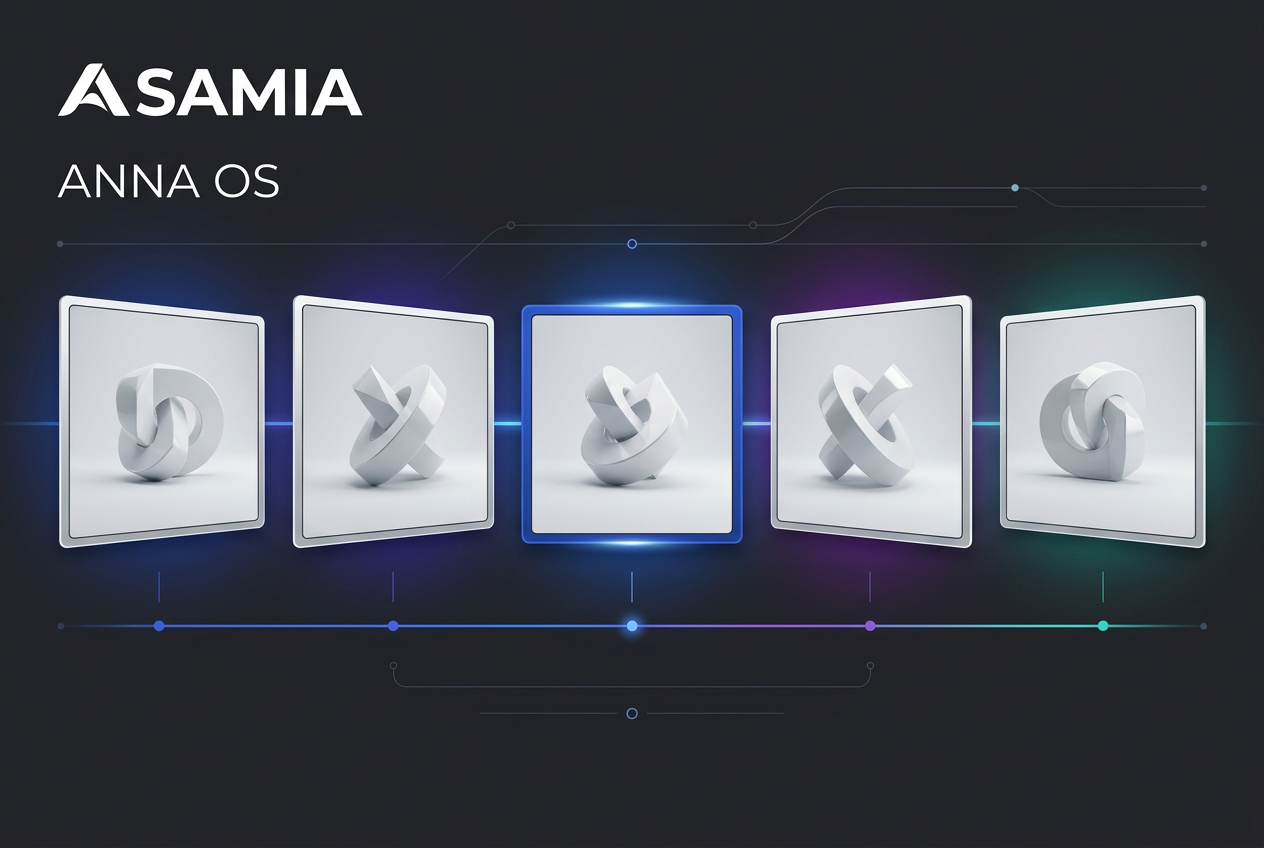 Video model selection
 Cost and region evaluation
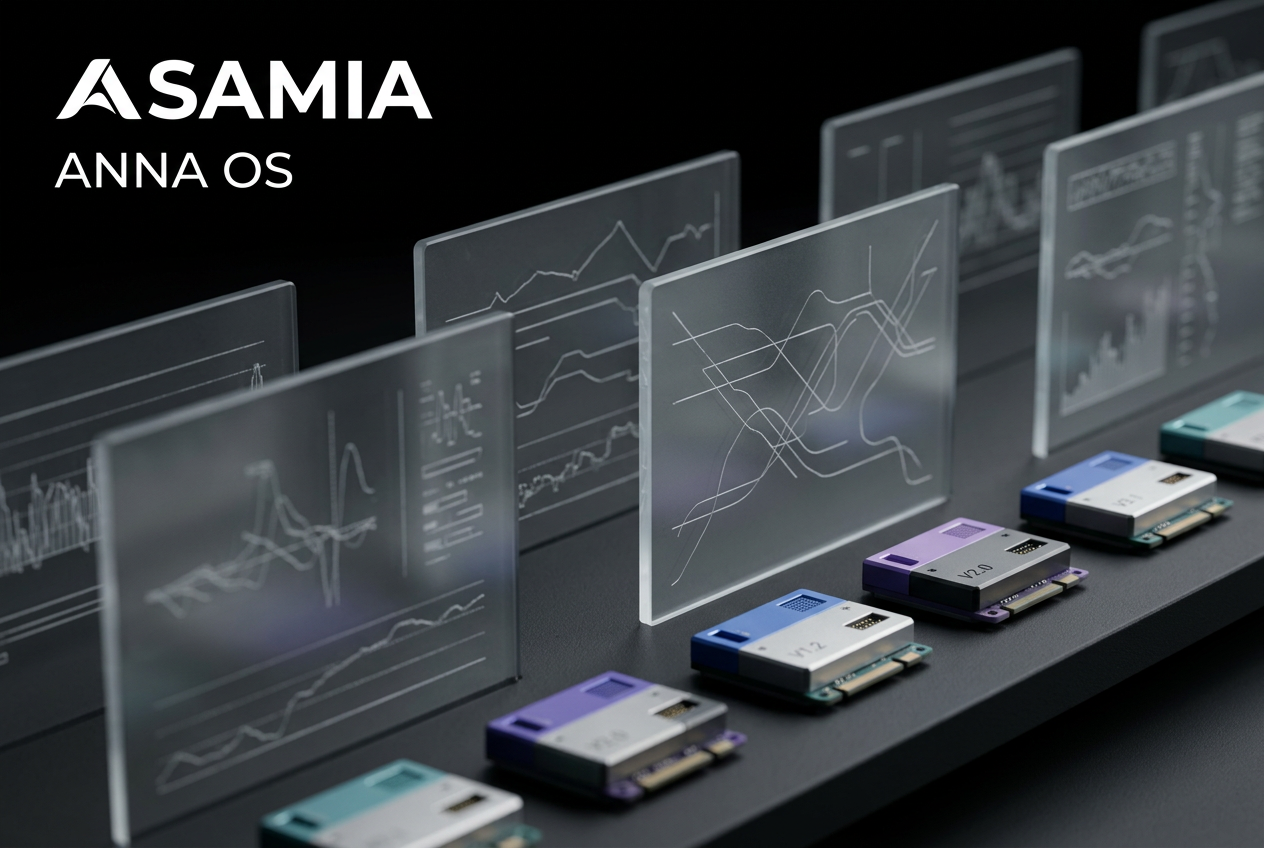 Model evaluation records
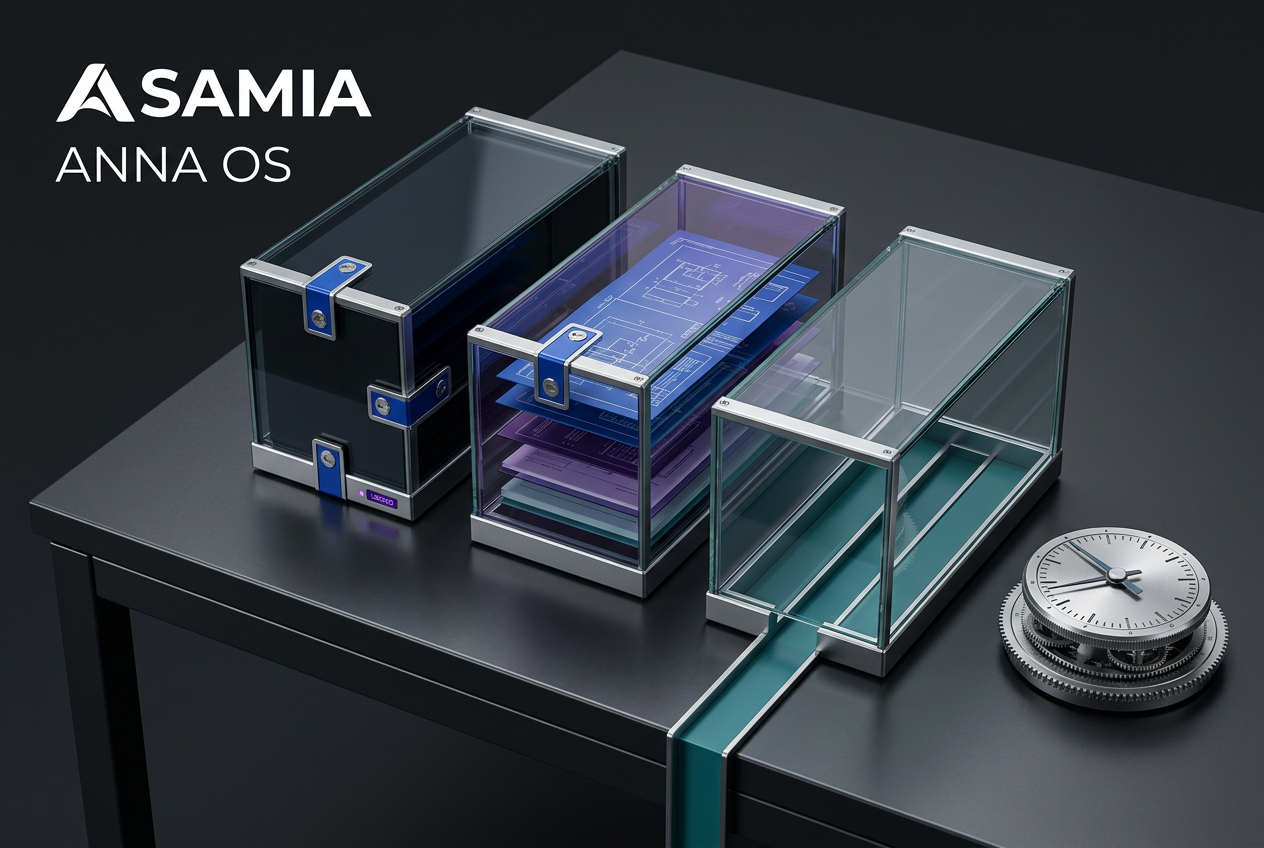 Data retention review
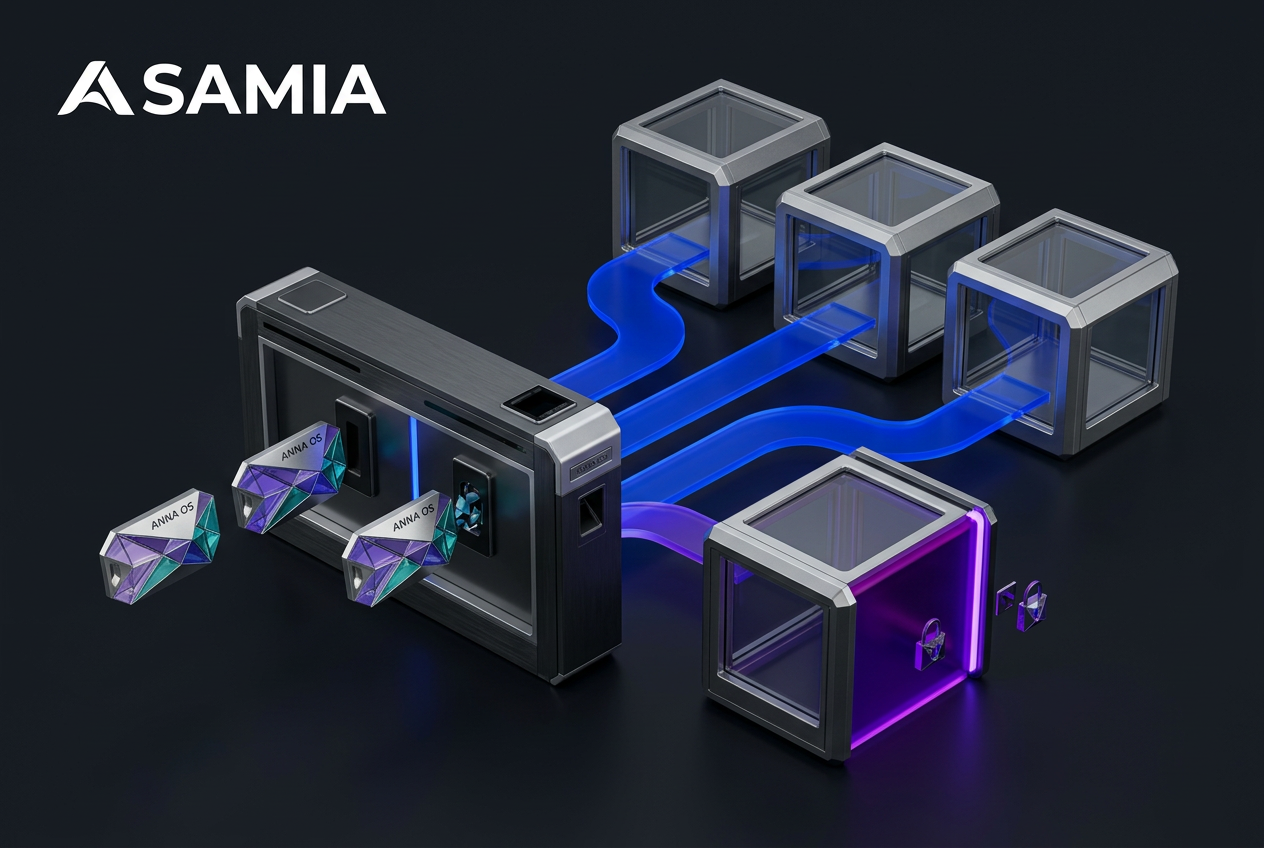 ASAMIA AI access controls
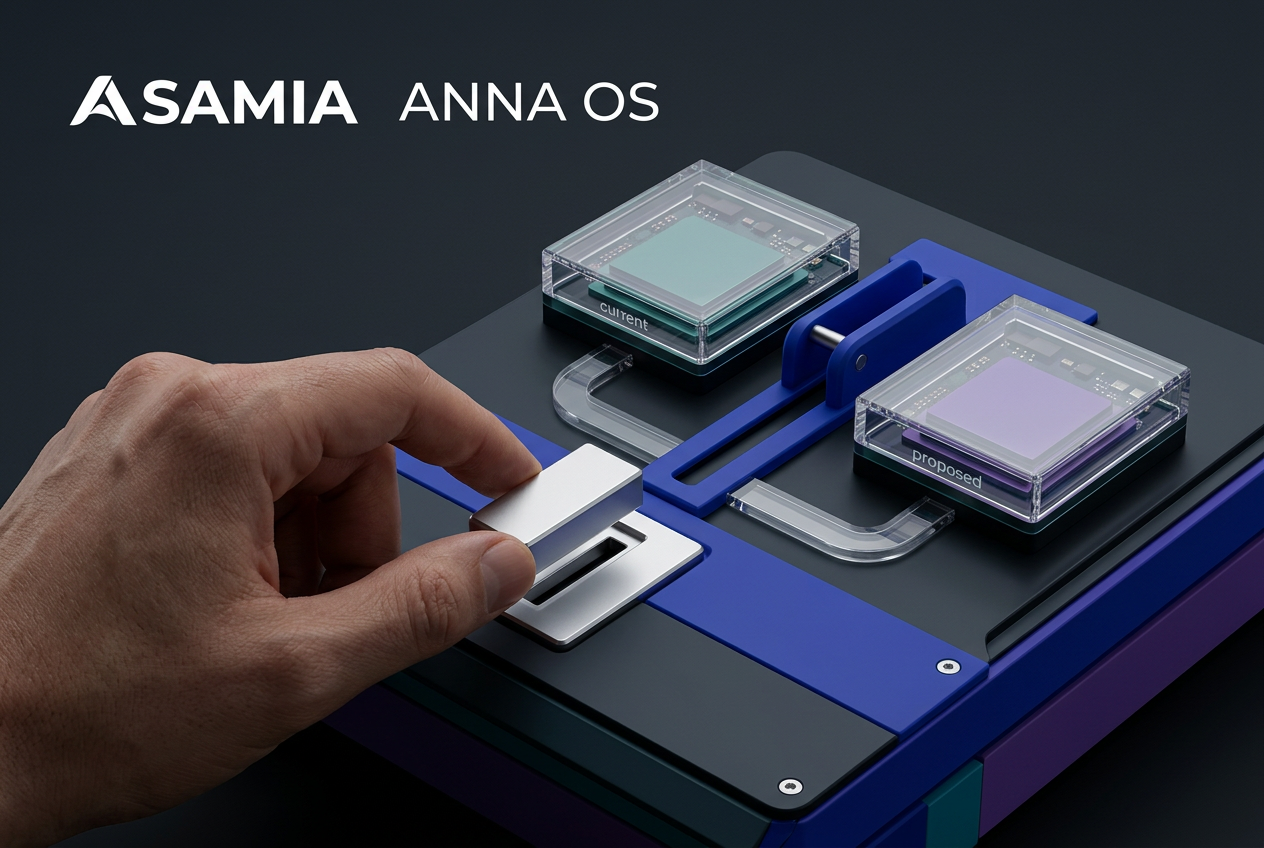 Human-approved model changes