
Customer-facing upgrade
Require an operations lead to review response quality, escalation behaviour and compatibility before approving the change.
Treat a change in intelligence as an operational release, with evidence, named approval and a return plan.
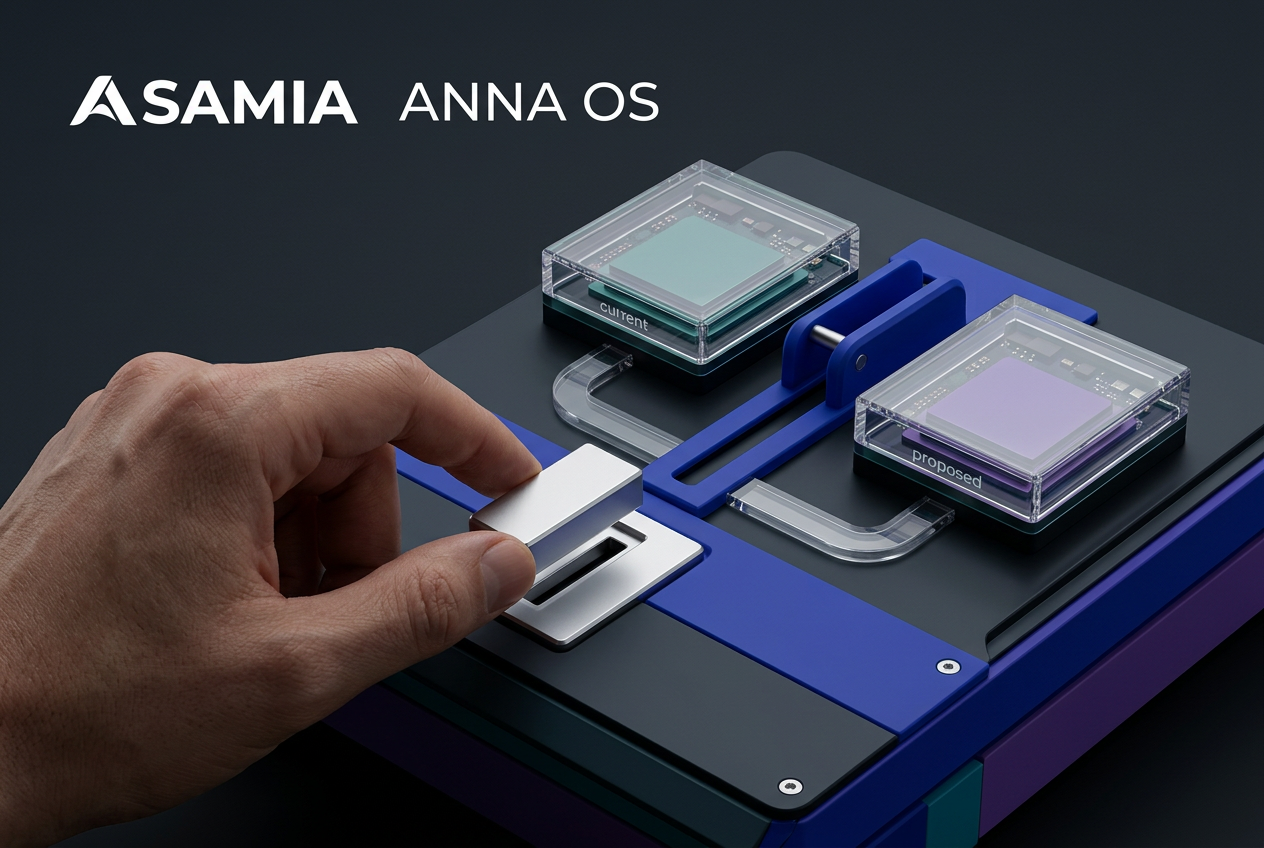
A model change can alter the tone, judgement and output structure of a SAM even when its role description stays the same. Human approval connects the proposed configuration to evaluation findings, affected workflows and information-handling checks. A release decision should state what changed and how unexpected behaviour will be handled.
A controlled change process aims to preserve service continuity and prevent unreviewed intelligence changes reaching customer-facing work.
Require an operations lead to review response quality, escalation behaviour and compatibility before approving the change.
Use separate proposal and approval owners when a change affects confidential information or consequential decisions.
Document the prior approved configuration and the conditions for returning to it if monitored results deteriorate.
A change proposal with affected roles and workflows
Evaluation, compatibility and retention-review evidence
Named approvers, release criteria and a rollback plan
Approved model modality and endpoint access
Capture the current and proposed configurations, reason for change, test results, open risks, approval decision and release owner. Define post-change monitoring and a practical reversal procedure.
Approval actions in the demo are simulated. They do not deploy models, change service configuration or execute a rollback.
 Proprietary base-model policy
 ASAMIA model catalogue review
 Reasoning model selection
 Vision model selection
 Image model selection
 Video model selection
 Cost and region evaluation
 Model evaluation records
 Data retention review
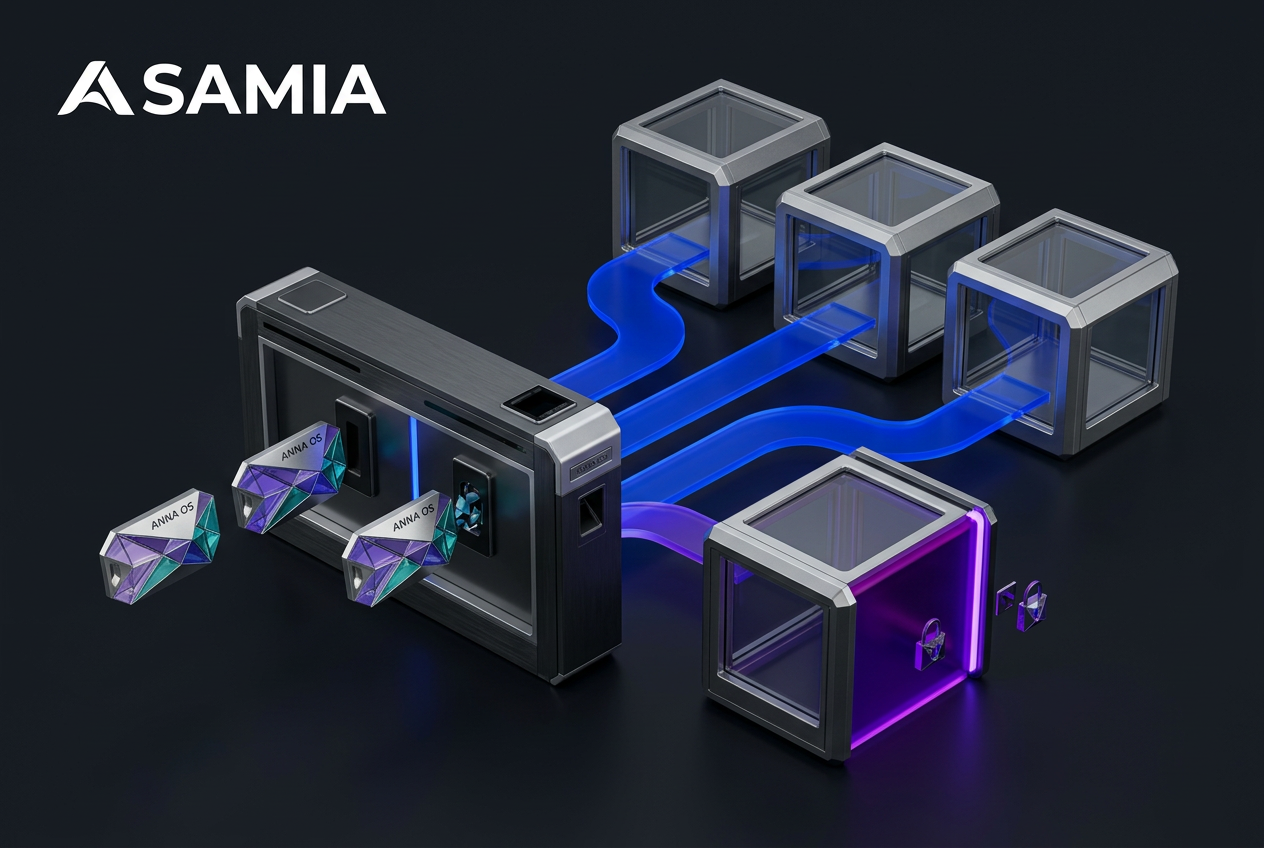 ASAMIA AI access controls